Strengthening Rural Economies Through Local Enterprise in Sekincau, Lampung, Indonesia
Through Igniting the Rural Economy through Diversity and Inclusion (IREDI), the Louis Dreyfus Foundation (LDF), in partnership with Yayasan Agri Sustineri Indonesia (YASI), set out to change this reality—unlocking local potential and transforming knowledge into sustainable rural enterprise.
Over 12 months, IREDI combined community outreach, hands on training, continuous mentoring, and market access support to build a new generation of rural entrepreneurs.
Today, 15 “Pancer Tani” business units operate across Sekincau, providing essential agricultural services such as seedling nurseries, organic fertiliser production, and fresh produce trading. More than businesses, these units act as local service hubs, supporting farmers with inputs, practical knowledge, and reliable access to markets—strengthening the entire local agricultural ecosystem.
Women at the heart of change
Women have been central to IREDI’s success.
Today, 9 of the 15 Pancer Tani enterprises are women led, and 337 women have been trained in financial literacy, family health, and entrepreneurship. Through hands on learning and sustained mentoring, women participants strengthened both their technical skills and their role in household and community decision making—shifting long standing perceptions of women’s economic leadership.
Turning knowledge into income
Training translated rapidly into measurable economic gains.
Across the programme, entrepreneurs improved production practices, strengthened cost control, and built stronger customer relationships—leading to an average income increase of 74% within approximately eight months, well above initial targets.
At the same time, 383 farmers and customers accessed Pancer Tani services, creating a more dynamic, inclusive, and accessible local agricultural market.
Bringing the market closer
A key milestone was the Pancer Tani Bazaar, which connected local producers directly with consumers.
The event attracted 140 new customers and generated IDR 5.7 million in transactions, significantly increasing visibility and demand for local products. Beyond immediate sales, the bazaar helped build trust, strengthen business identity, and open new market opportunities for participating entrepreneurs.
Strengthening households and communities
The impact of IREDI extends far beyond individual businesses:
- Around 900 people benefiting indirectly from improved services and market access
- Tangible progress in gender equality, environmental sustainability, and food security. The use of organic fertiliser, improved farming practices, and enhanced nutrition knowledge are helping build more resilient rural communities—better equipped to manage economic and environmental shocks.
Voices from the field
Behind these results are women and men reshaping not only their livelihoods, but also their roles within their families and communities.
Sulistini, Woman entrepreneur, Pancer Tani Berkah Tani
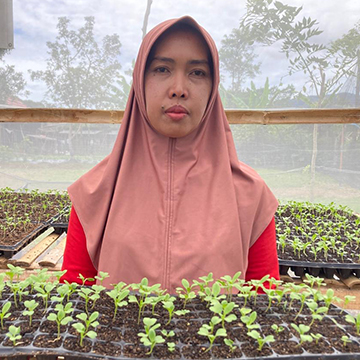
“Before joining the Pancer Tani programme, I produced seedlings using very basic and traditional methods, without improved techniques by direct sowing on the soil to meet the needs of my husband’s farm. Today, I have developed business by selling proper tray seedling and healthy seeds in good nursery green house that provides additional income for my family and has become known by others in the community.”
Karmila Naibaho, Participant in financial literacy training
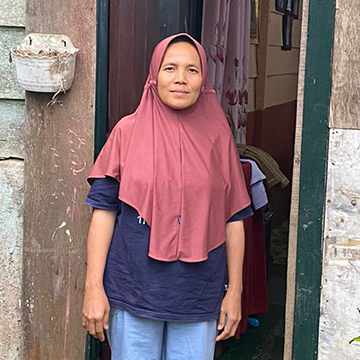
“Before, I had never managed my finances. After participating in the training, I am now learning how to manage my household needs and save money from the income generated by our farm.”
Rita Wati, Fresh produce trader, Pancer Tani Maju Jaya
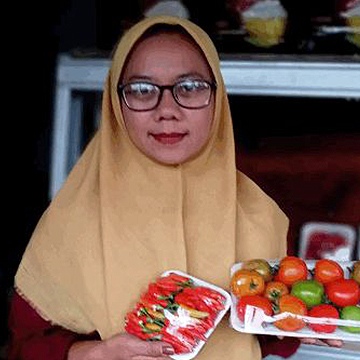
“After participating in the bazaar, many new customers began placing orders directly at our shop and through WhatsApp Application.”
A Strong Foundation for Sustainable Rural Development
The IREDI programme in Sekincau demonstrates how inclusive rural entrepreneurship can drive lasting change. By combining practical training, continuous mentoring, and market access with a strong focus on women’s leadership, the programme strengthened local enterprises, improved household resilience, and reinforced community level agricultural systems. IREDI shows that when rural communities are supported to build viable businesses rooted in local realities, economic opportunity, social inclusion, and sustainability can advance together—laying solid foundations for long term rural development.