Educating Rural Youth for a Stronger Future
Through the agricultural training centres CFAR (Centre de Formation Agricole et Rurale) and CIRA (Centre d’Incubation Rurale et Agricole) in Côte d’Ivoire, Louis Dreyfus Foundation offers rural youth a chance to build a future where they can thrive in their communities instead of leaving them behind.
CFAR located in the village of Niofoin, region of Poro in the northern Côte d’Ivoire delivers a two year practical agricultural program that combines classroom learning with hands on experience, equipping students with the technical and entrepreneurial skills needed to establish viable farms and pursue resilient livelihoods.
CIRA provides a six month training program dedicated to experimentation and sustainable agriculture in Aboisso, region of Sud Comoé. Trainees learn regenerative techniques suited to the palm oil producing region—including agroforestry, natural fertilizers, and cover crops
Since the launch of these centres, more than 150 students have been trained at CFAR and more than 110 at CIRA. Post training support includes agricultural coaching, links to local agricultural networks, and provision of small equipment and starter materials—essential tools that help graduates establish their farms.
183 students among them remain active in agriculture and have successfully set up their agricultural farms. Discover their stories below.
Bayoko Aly
Korhogo, region of Poro, Côte d’Ivoire
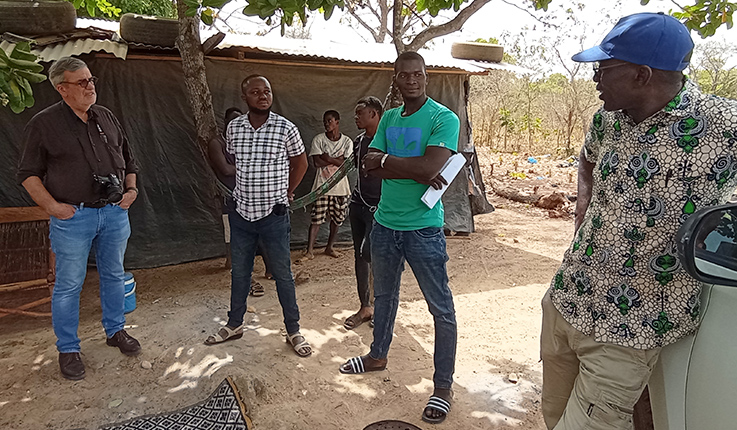
Aly left school early but found his path at CFAR. Today, he manages two poultry farms, employs three people, while diversifying his activities and investing in transport with two tricycles and a mobile money transfer shop. His technical expertise makes him a sought-after consultant for agricultural projects, and he now mentors new CFAR students.
“Thanks to CFAR training, I can’t imagine doing anything other than agriculture. The knowledge I gained allowed me to achieve beyond my expectations”.
Sanogo Awa
Boundiali, region of Bagoué, Côte d’Ivoire
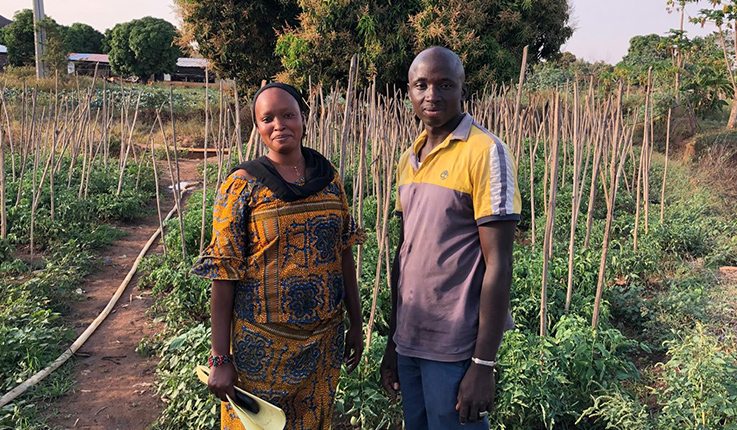
Awa’s journey began after leaving school in 9th grade. With CFAR’s support and post-graduate assistance, she grew her poultry business to three large buildings housing thousands of birds. She now works alongside her husband, combining poultry farming with vegetable production, and employs four people.
“CFAR gave me the confidence to realize my dreams. Now, I have the tools to make any project happen.”
Silue Geoffroy
Nadolovogo, region of Poro, Côte d’Ivoire
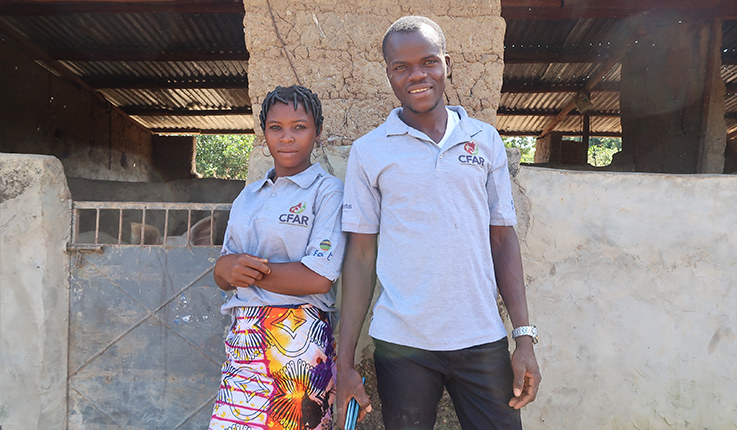
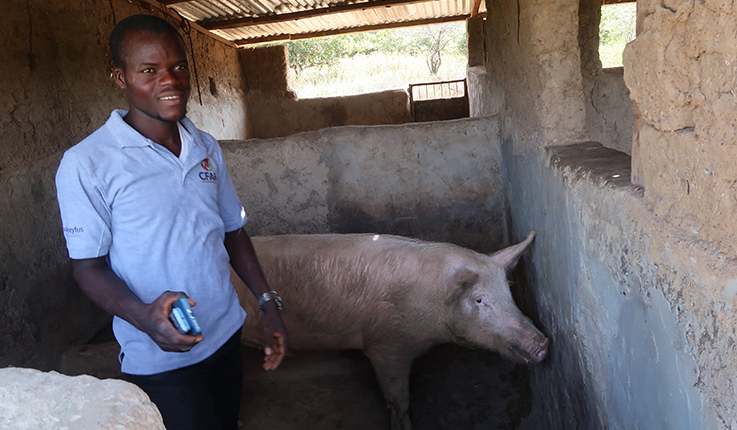
Geoffroy transformed his family’s modest farm into a thriving enterprise. He improved pig breeding practices, introduced poultry vaccination services, and invested in equipment to expand his operations. Today, he is a reference point in his community and a mentor for CFAR students.
“With my activity, I changed my lifestyle, bought a motorcycle, and achieved my goals. Now I can perform!”
Bernard Towa Kadjo
Ayamé, region of Sud Comoé, Côte d’Ivoire
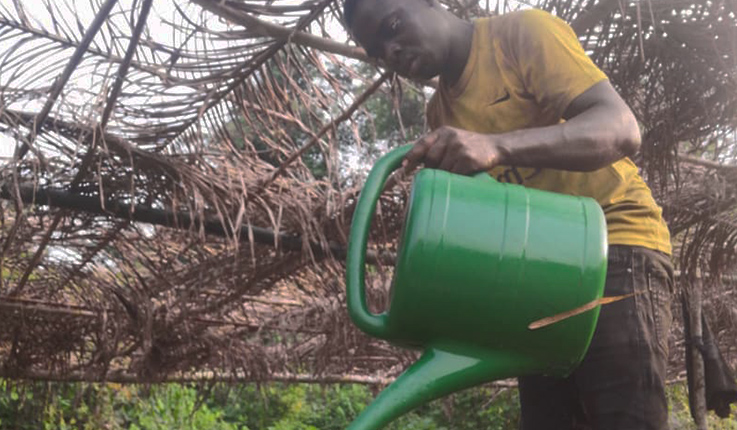
At 32, Bernard now cultivates Big Sun chili pepper, okra, and lettuce across a full hectare of land. Training at CIRA helped him master agroecological practices that boosted his productivity and strengthened his technical skills. He aims to expand into poultry and pig production, envisioning his farm as a future training and internship site for young people passionate about agroecology.
“The support provided enabled us to improve our knowledge and skills… We believe we will succeed, because for us, to want is to be able to!”
Jacques Salomon Assahoue
Baffia, region of Sud Comoé, Côte d’Ivoire
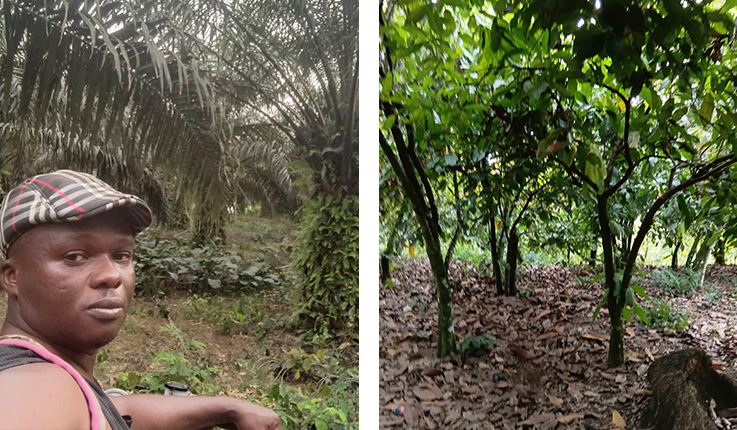
Jacques manages a diversified farm combining palm oil (4 ha), cocoa (2.5 ha), pepper (1 ha), and livestock (700 poultry and 15 sheep). Through CIRA training, he adopted regenerative practices such as biopesticide production and composting with poultry manure and empty fruit bunches. He also hosted CIRA trainees during internships, helping strengthen community learning. His long term vision is to become a large scale organic farmer and establish his farm as an agroecological learning center.
“Our fertilization should not be focused solely on production, but also on soil life: the earth never betrays us.”
The impact of CFAR and CIRA extends far beyond their graduates. Former students become leaders in their communities, sharing best agricultural practices, guiding other producers, and building local knowledge networks. This peer to peer system strengthens food security, boosts productivity, and fosters social cohesion.
By empowering young people, both centres contribute to reducing rural exodus, stimulating local economies, and building more resilient communities. Education here is more than personal transformation—it is a driving force for collective progress.